


Discipleship is not simply learning about Christ—it is becoming like Him. It is a process of transformation where a believer moves from admiration to obedience, from hearing the Word to living it daily.
Many have been taught how to listen, but not how to follow. As a result, there is knowledge without obedience, conviction without transformation, and spiritual activity without true growth.
Biblical discipleship requires surrender, consistency, and a willingness to be shaped by the Word of God. It is not measured by how much Scripture we know, but by how faithfully His truth is demonstrated in our lives.
Discipleship is not knowing more—it is becoming different.



Many believers are exposed to the Word of God yet remain unchanged by what they hear. They receive sound teaching, agree with biblical truth, and may even experience conviction, but never move into obedience. Knowledge without application creates the illusion of spiritual growth while leaving the life untouched.
This is the danger of hearing without doing. A person can become familiar with Scripture while resisting the very transformation it demands. When conviction is repeatedly ignored, the heart can gradually become desensitized, and what once required surrender becomes something easily delayed or tolerated.
Hearing becomes doing when the truth of God’s Word moves beyond understanding and begins to govern our choices, attitudes, and actions. Genuine discipleship is demonstrated through a willing response to God’s instruction, even when obedience requires personal sacrifice, correction, or the surrender of familiar habits.
As believers consistently put the Word into practice, their lives begin to reflect the character of Christ. Spiritual maturity is not measured merely by what we know or how strongly we respond to a message, but by the transformation that takes place as we submit to God’s Word and faithfully walk in obedience.


Spiritual growth does not happen automatically. Many believers struggle in areas they do not always recognise. Spiritual immaturity leaves a believer dependent on feelings rather than firmly grounded in God’s Word. Inconsistency produces cycles of enthusiasm followed by spiritual stagnation, while selective obedience allows a person to embrace the parts of Scripture they find comfortable and resist those that require surrender.
Emotional Christianity can cause believers to mistake powerful feelings for genuine transformation, while a lack of discipline gradually weakens their commitment to prayer, the Word, and obedience. These struggles must be recognised and confronted because maturity is not measured by how deeply we feel in a moment, but by how faithfully we respond to God’s truth over time.
Spiritual growth cannot begin where spiritual immaturity is continually excused. What we refuse to confront, we allow to continue.
Spiritual maturity begins when a believer stops excusing the very things that hinder growth and becomes willing to confront them through the truth of God’s Word. Immaturity must give way to biblical understanding, inconsistency to steadfastness, and selective obedience to wholehearted surrender. We cannot expect to grow into the likeness of Christ while continually resisting the correction, discipline, and transformation that His Word requires.
The Holy Spirit empowers us to grow, but He does not remove our responsibility to cooperate with His work. As we cultivate a consistent life of prayer, remain rooted in Scripture, exercise spiritual discernment, and choose obedience even when it requires sacrifice, the character of Christ becomes increasingly evident in our lives.
Spiritual maturity is not the absence of struggle; it is the development of a life that consistently yields to God rather than being governed by feelings, convenience, or personal preference.
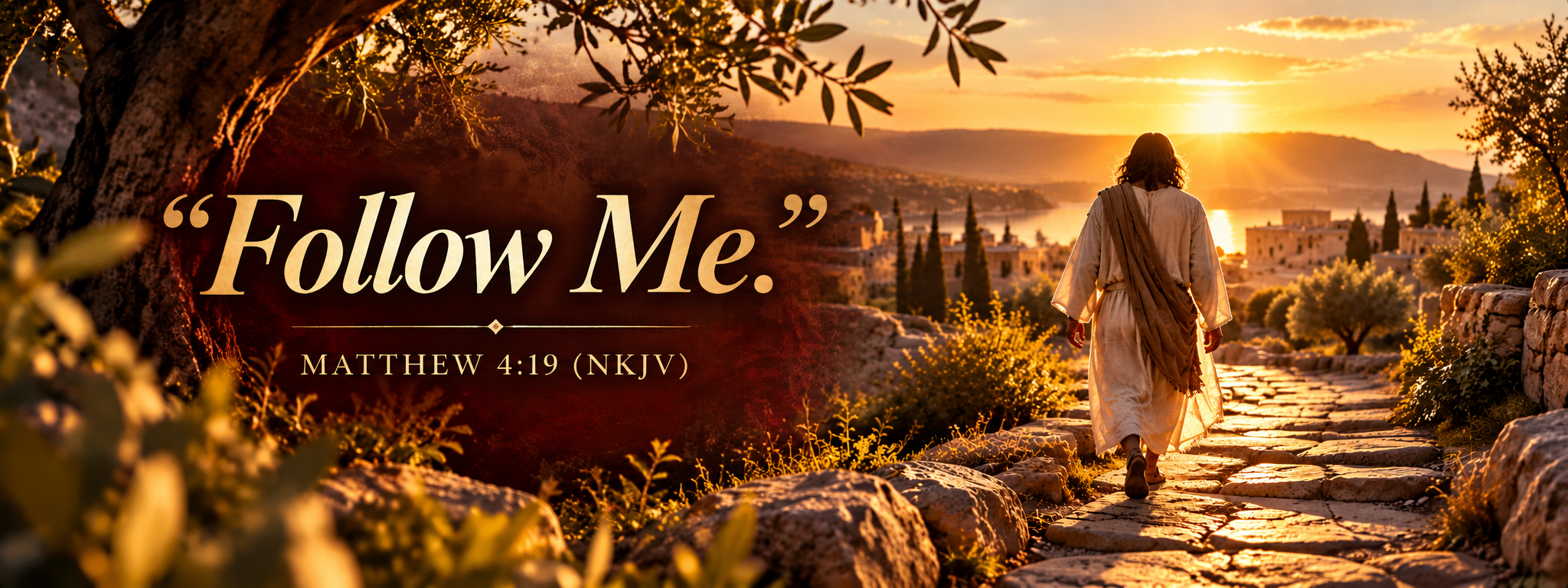

Jesus did not call people merely to receive information about Him; He called them into a life of transformation through following Him. When Jesus said, “Follow Me” (Matthew 4:19), He was extending an invitation that required more than listening to His words. His disciples walked with Him, observed His life, received His instructions, and learned obedience through daily surrender. They were not simply students gathering knowledge; they were followers being shaped by the One they followed.
The pattern Jesus established requires believers to deny themselves, take up their cross, and follow Him (Luke 9:23). It calls for love expressed through obedience (John 14:15), a willingness to place loyalty to Christ above every competing allegiance (Luke 14:26–27), and steadfast continuance in His Word (John 8:31). The purpose of discipleship is not merely to know more about Jesus but to become increasingly conformed to His image (Romans 8:29). Jesus was not producing spectators who admired His teaching from a distance; He was raising disciples whose lives would reflect His character.
Jesus did not call us merely to admire His teachings, but to follow His example. True discipleship is revealed when His Word shapes our character, governs our choices, and transforms the way we live.
The early Church did not redefine the pattern of discipleship established by Jesus; they continued in it. Acts 2:42 reveals that the first believers devoted themselves steadfastly to the apostles’ teaching, fellowship, the breaking of bread, and prayers. Their commitment to Christ was not limited to hearing His Word or attending gatherings. Their faith shaped how they lived, how they related to one another, and how they responded to the responsibilities of following Him.
These believers understood that discipleship required consistency, spiritual accountability, and obedience, even when their faith was challenged. They remained devoted to prayer, continued in the truth they had received, and supported one another as members of Christ’s body. When the apostles faced opposition, they declared, “We ought to obey God rather than men” (Acts 5:29, NKJV). Their example reminds us that genuine discipleship is not an occasional religious activity but a daily commitment to remain faithful to Christ, regardless of circumstances.
The early Church demonstrated that genuine discipleship is not merely a confession of faith, but a life of steadfast devotion to Christ, His Word, His people, and His commands.

Spiritual growth begins with a life firmly rooted in God’s Word. Jesus taught that those who continue in His Word are truly His disciples (John 8:31). Abiding requires more than occasional reading; it involves consistently receiving, meditating upon, and applying biblical truth.
As we give Scripture a permanent place in our daily lives, the Holy Spirit uses that truth to renew our minds, correct our thinking, expose areas requiring change, and establish us in spiritual maturity.
The goal is not simply to accumulate biblical knowledge, but to allow God’s Word to shape our convictions, govern our decisions, and transform our conduct.
“If you continue in My word… you are My disciples indeed.”- John 8:31
Prayer is essential to spiritual growth because it cultivates an ongoing relationship with God. Jesus demonstrated this through His own life, regularly withdrawing from the demands of ministry to commune with the Father (Luke 5:16). If Jesus prioritised prayer, how much more should those who follow Him?
Developing a consistent prayer life requires intentionality and discipline. We must learn to seek God not only when circumstances become difficult, but also in seasons of peace, allowing prayer to become a daily expression of dependence, worship, thanksgiving, and surrender.
As we spend time in God’s presence, we become increasingly sensitive to the leading of the Holy Spirit, strengthened in our inner lives, and better positioned to align our desires and decisions with His Word and will.
“Jesus often withdrew… and prayed.” – Luke 5:16
Obedience is an essential mark of spiritual maturity because genuine discipleship requires us to put God’s Word into practice. James 1:22 warns believers against being hearers of the Word only, deceiving themselves. Knowing what God requires is important, but transformation takes place as we willingly submit our attitudes, decisions, and conduct to His truth.
Walking in obedience requires surrender, humility, and a willingness to respond to God’s correction, even when His instructions challenge our personal desires or demand sacrifice. It is not enough to obey when circumstances are convenient; spiritual maturity is developed as we consistently choose God’s will above our own preferences.
As we practise obedience, our character is progressively shaped to reflect Christ. We learn to exercise self-discipline, resist compromise, and remain faithful in both small responsibilities and significant decisions. Obedience does not earn our salvation; rather, it is the fruit of a life transformed by God’s grace and yielded to the Holy Spirit.
“Be doers of the word, and not hearers only…” – James 1:22

Explore Spirit-led, Scripture-grounded teachings that reveal God’s faithfulness, strengthen your identity in Christ, and equip you to discern His voice, walk in obedience, and fulfill His purpose for your life.
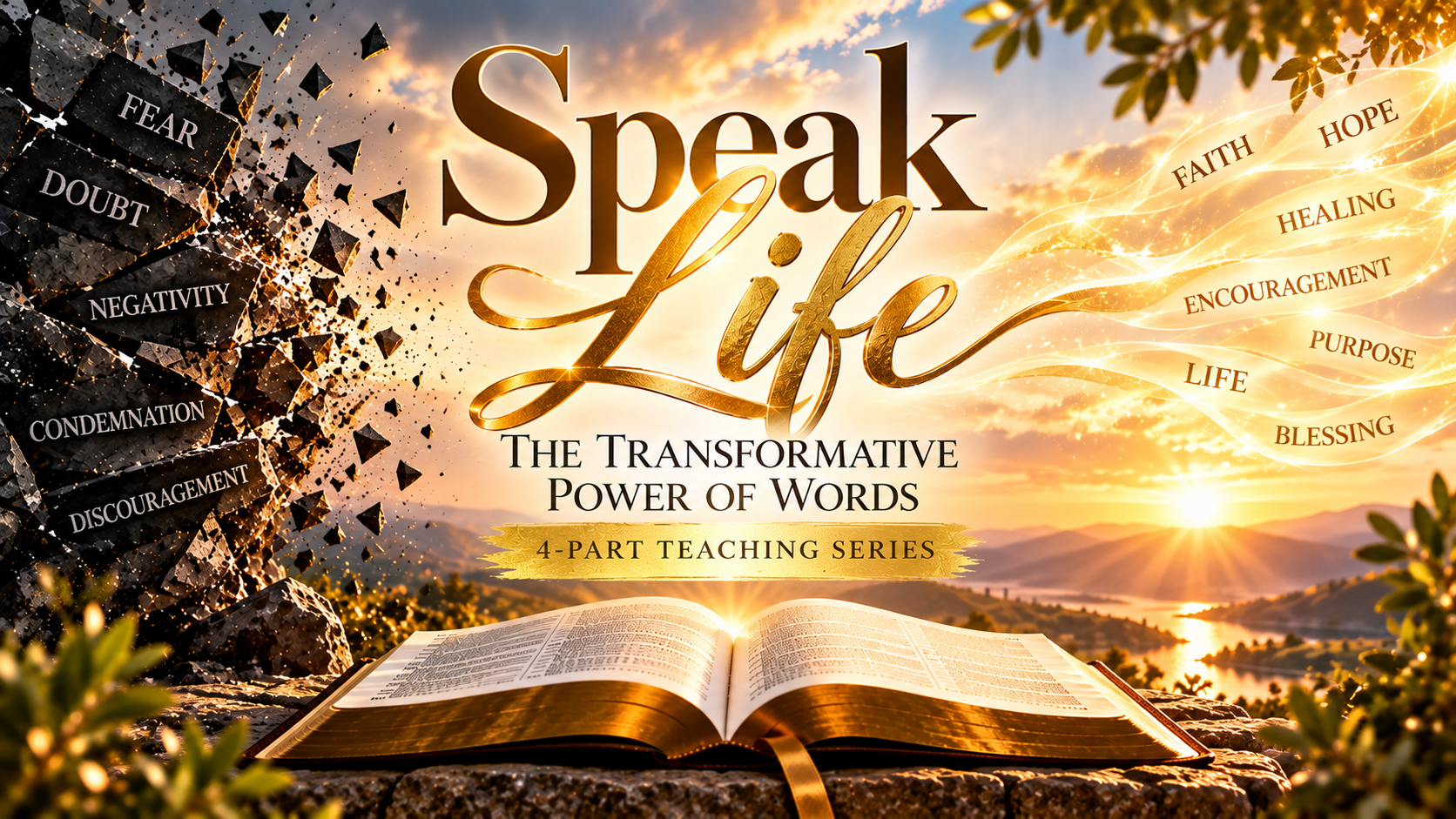
Discover how God’s Word renews your mind, transforms your speech, and shapes the way you live. Learn to align your words with His truth and allow Scripture to produce lasting change in your life.
God’s work in your life is a journey of transformation. Discover how He develops your character, strengthens your faith, and leads you into greater spiritual maturity as you surrender to His transforming work.
Discover what it means to recognise God’s guidance, trust His direction, and respond with obedience. Learn to walk confidently in His Word, even when the path ahead requires faith, patience, and surrender.
Spiritual maturity is not achieved through knowledge alone, but through a life continually surrendered to Christ. Continue exploring Scripture-grounded teachings that will strengthen your walk with God, deepen your spiritual discipline, and equip you to live out His Word with consistency, discernment, and obedience.